




Hello Future
Farah Al Qasimi's practice brings to our attention a multilayered and up-to-the-minute conversation around everyday-life in the Persian Gulf. Her piercing ideas are delivered through witty understated narratives that tease out complicated questions around identity, truth, beliefs, and traditions; she investigates with a shrewd mindset how culture can expose to the willing viewer the failings of capitalism, and the many contradictions of contemporary societies. The work has a looseness and flexibility towards the truth through the incorporation of myth making and spiritualism. Her work materialises as spellbinding colourful still and moving images, often collage, as much as performative work. It is an active daily practice that doesn't rely on the American West to be relevant, it takes place through the study of the domestic and the mundane to deliver powerful reflections—a simple observation, for example, of how perfume names represent unbalanced gender constructions, with names such as Boss and CEO dedicated to male fragrances, and Lovable and Flawless for female perfumes.
In 2020, she received the Capricious Photo Award from the New York arts foundation of the same name, and as a result her practice was lavishly illustrated in a substantial publication: Hello Future. It is a monograph presented as a milestone documenting five years of work and it includes both her photographic and film practice “unified within her keen sense of surface and texture, and the revealing visual influences of the splashy and florid”―as Capricious puts it.
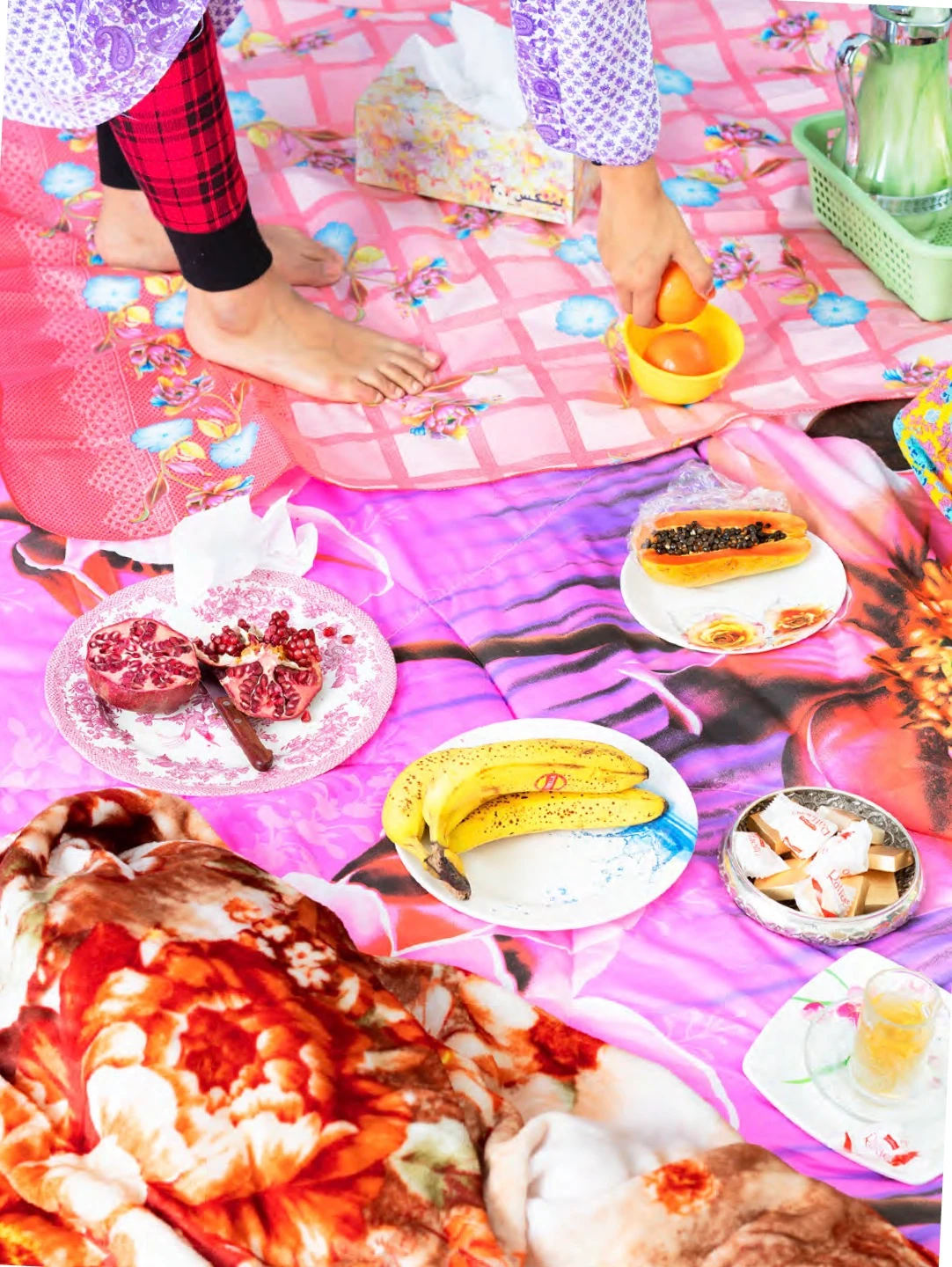
There is something transpiring rather silently, in the background, when studying carefully her constructed tableaus. On one hand, it is the realisation of how little the Western world knows and sees of everyday life in the region, and on the other hand, going beyond the initial impact of the rich and aesthetic milieu depicted, there are many complex questions around the identity of a region oversold to capitalism and in urgent search for an identity. This hyperreality that demands her examination is one that is best exemplified in Dragon Mart, a favourite of hers, the largest Chinese market in Dubai, where one can find Chinese-made Gulf furniture adapting European styles, “a sort of broken-telephone game of cultural interpretation happening”.1 Yet, there are many other aspects of social critique in her work if we look closely, and her position as an insider-outsider delivers these successfully, in a subtle and effective way.
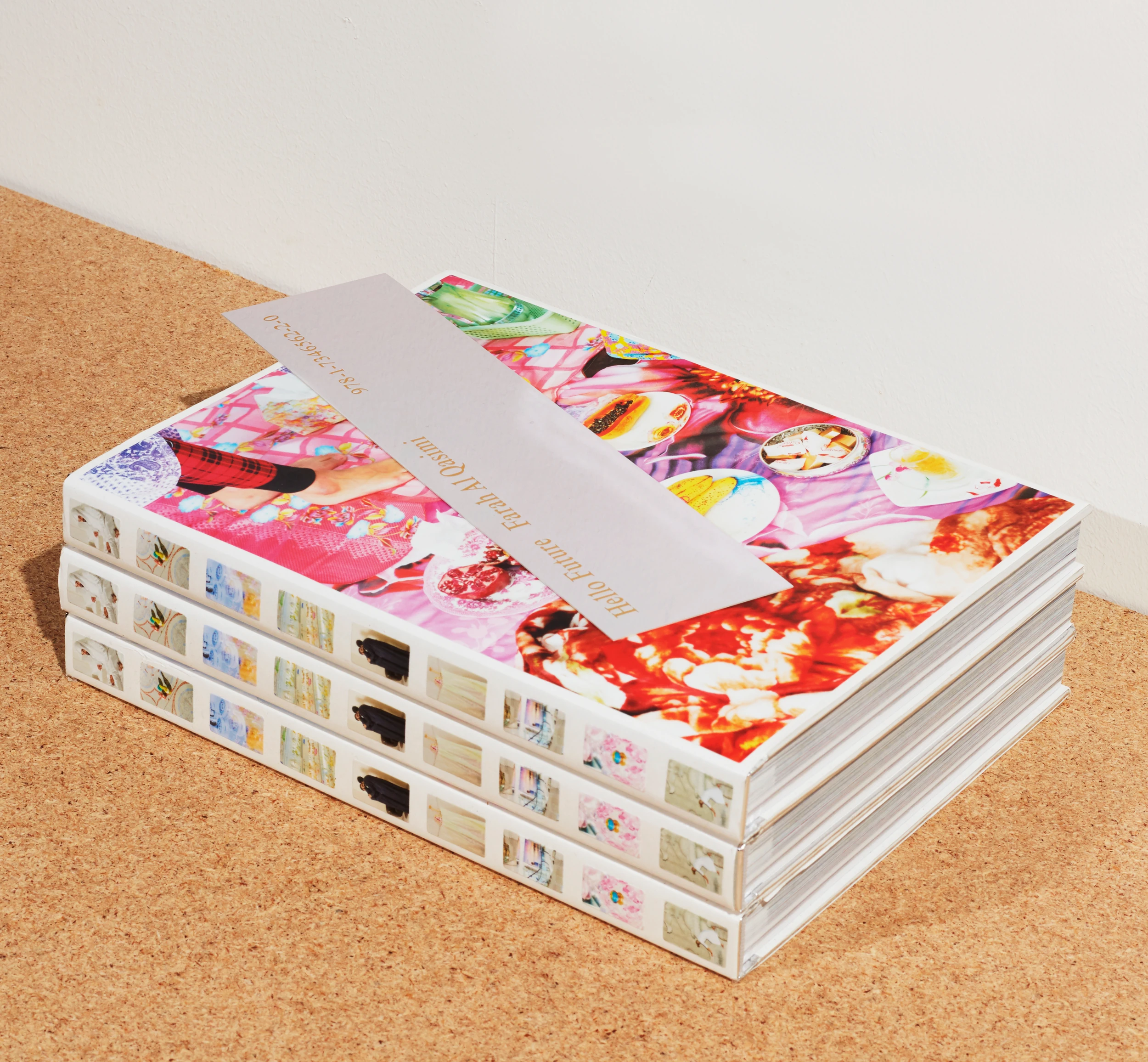
kiss-cut sticker dust jacket that hides a mirror chrome hardcover and comes with matching title bookmark.
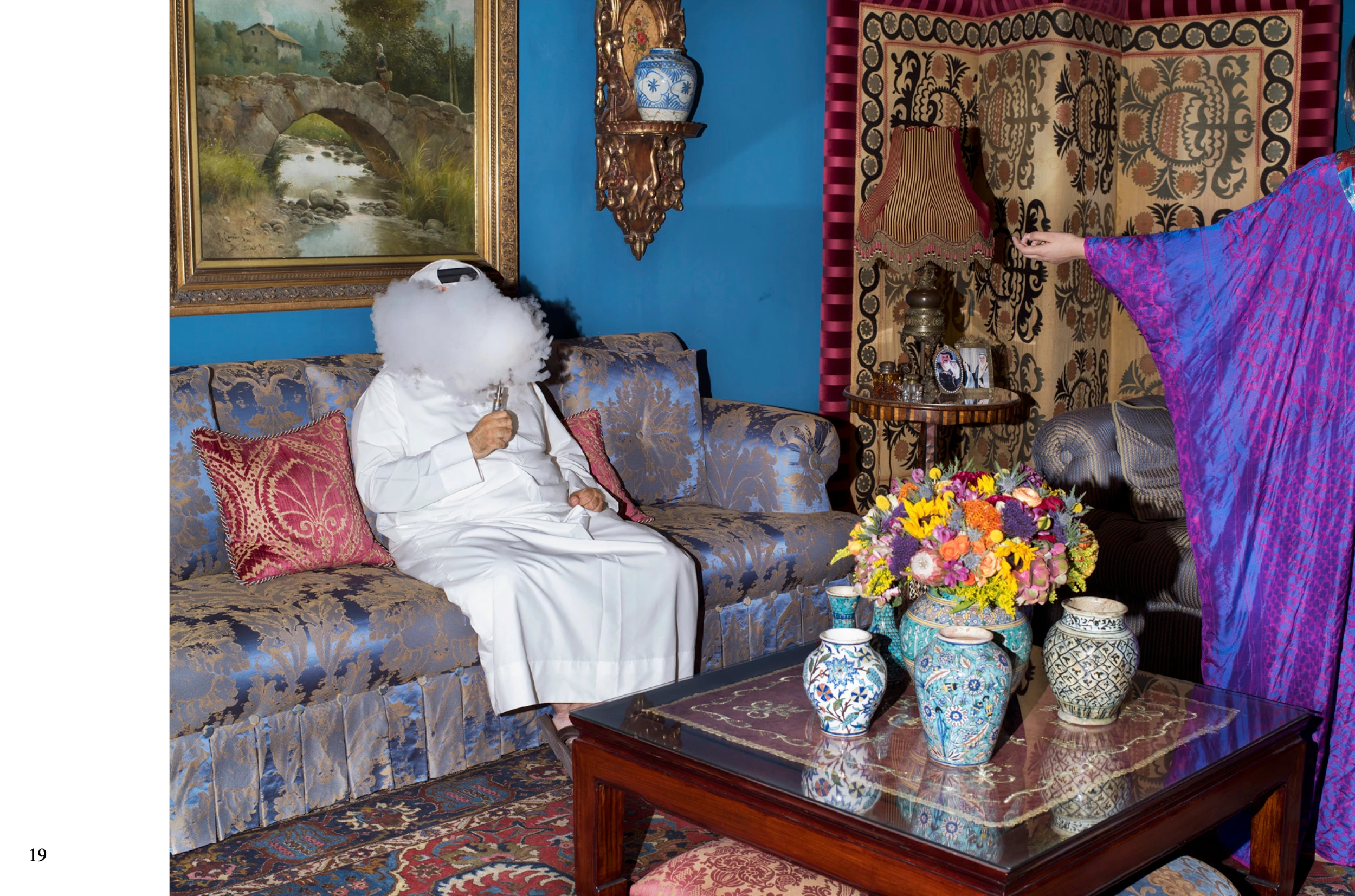
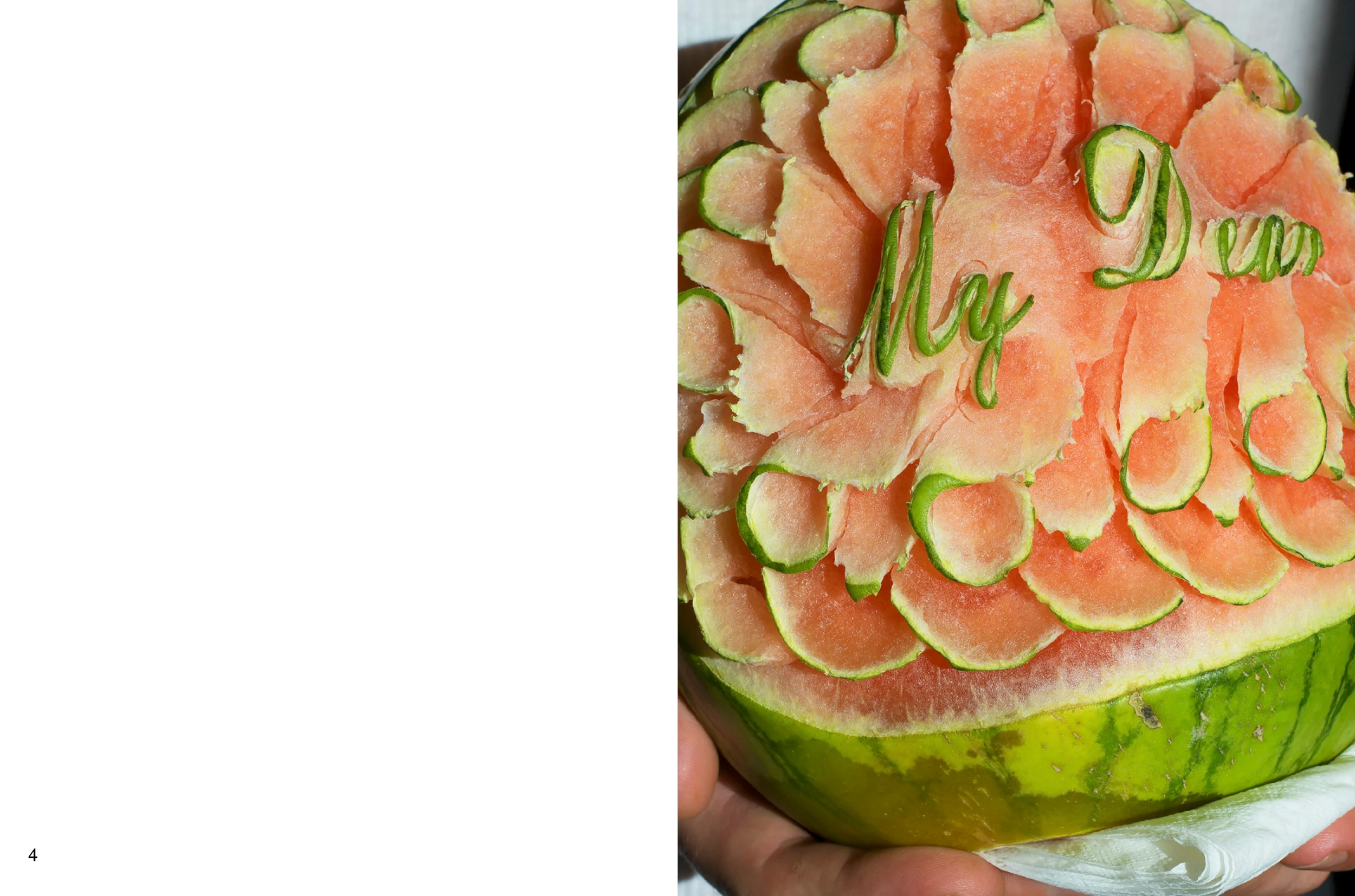
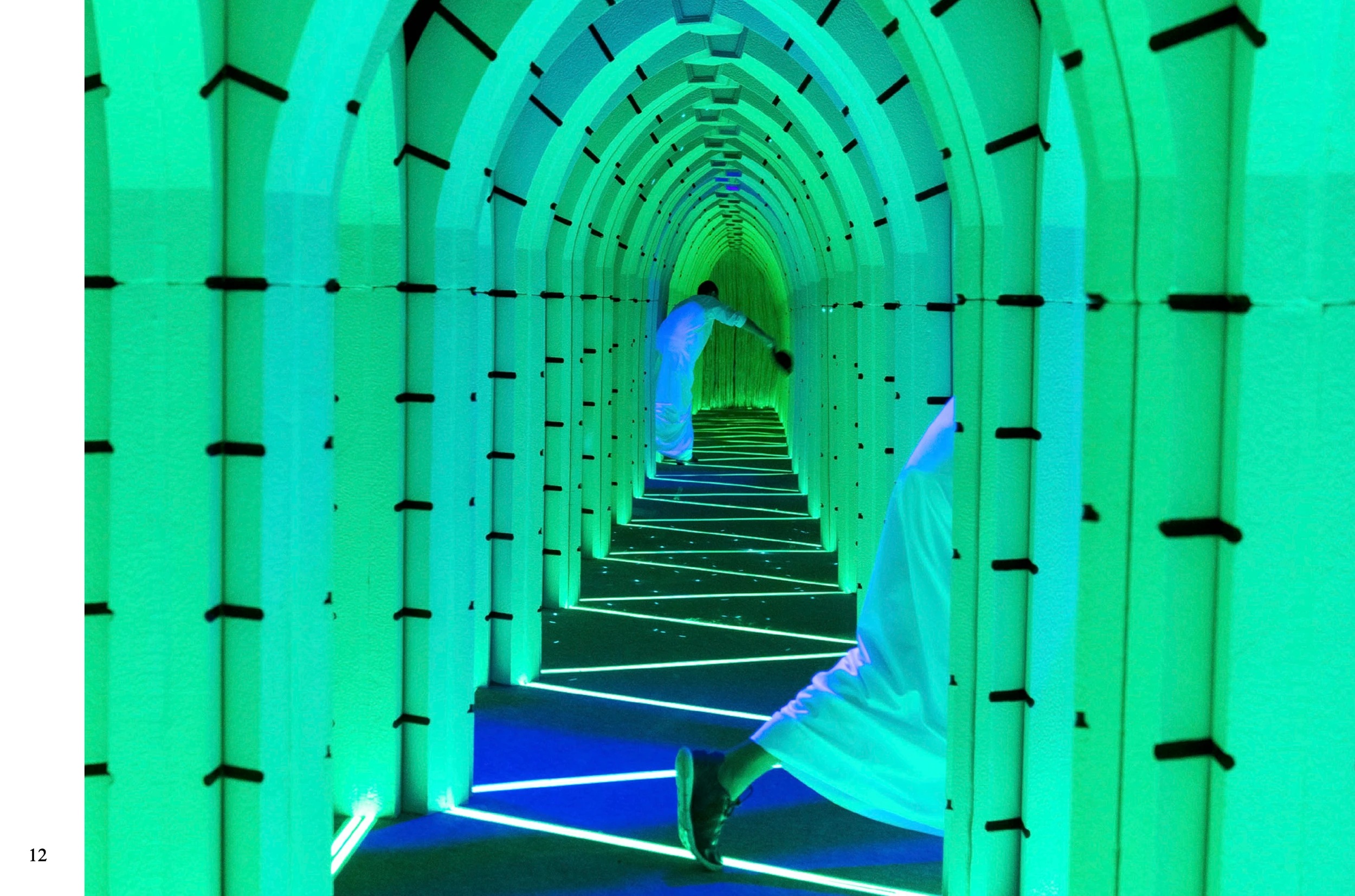
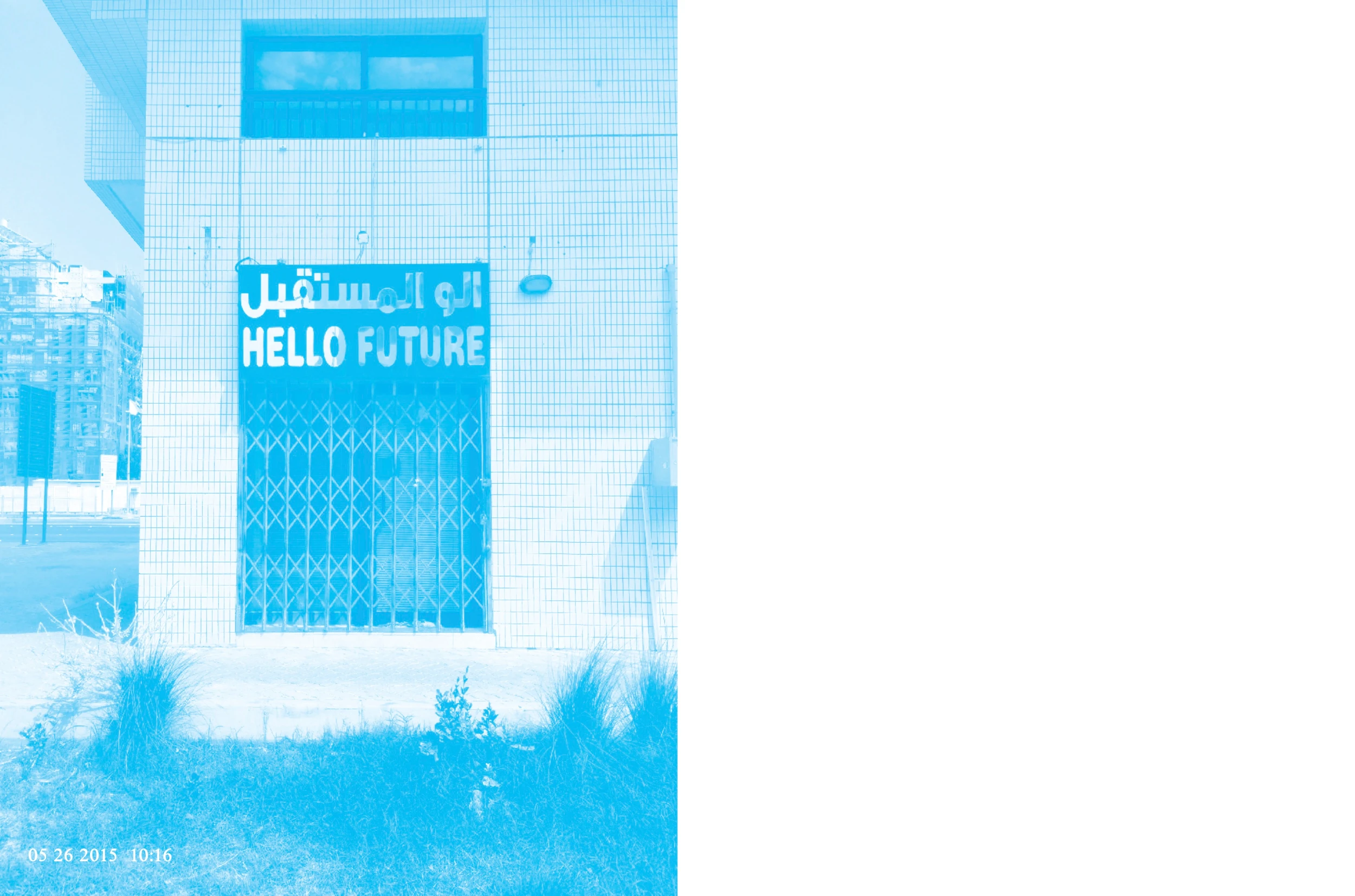
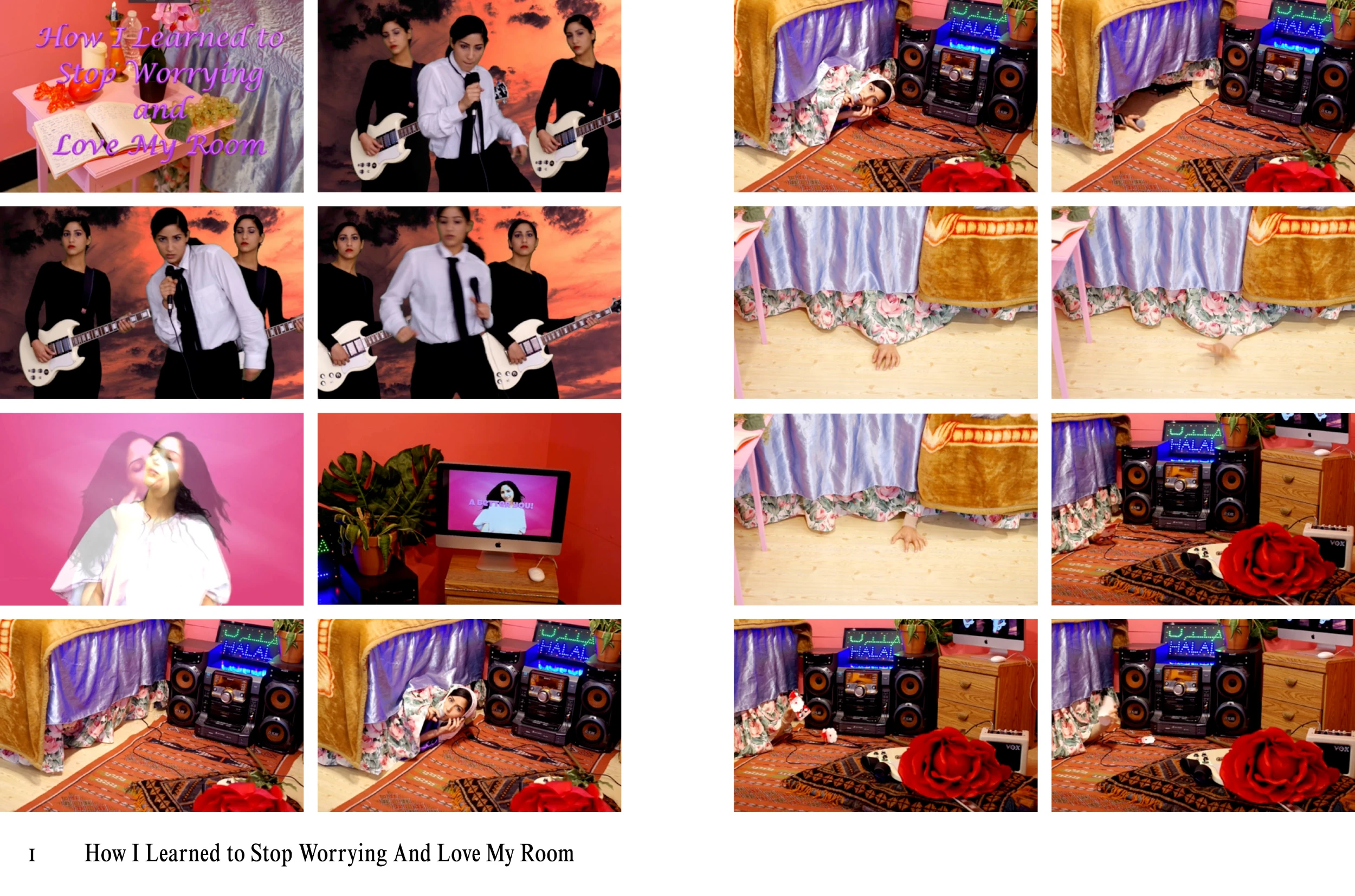
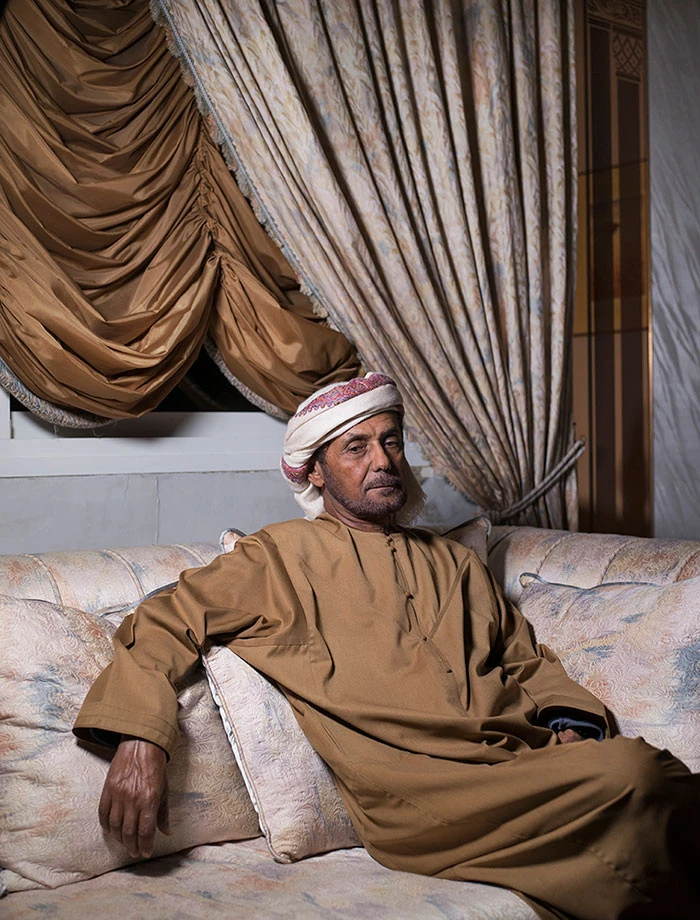
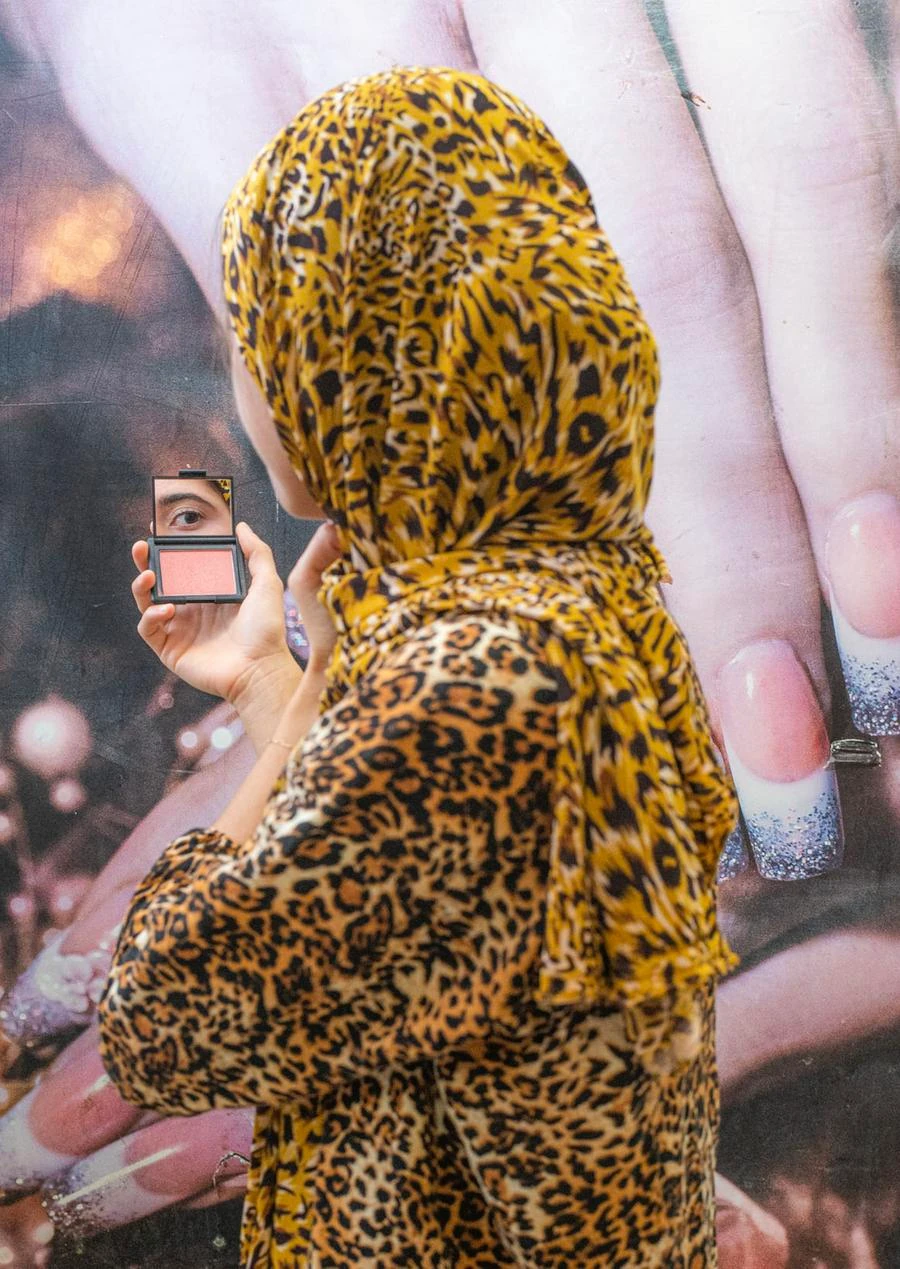
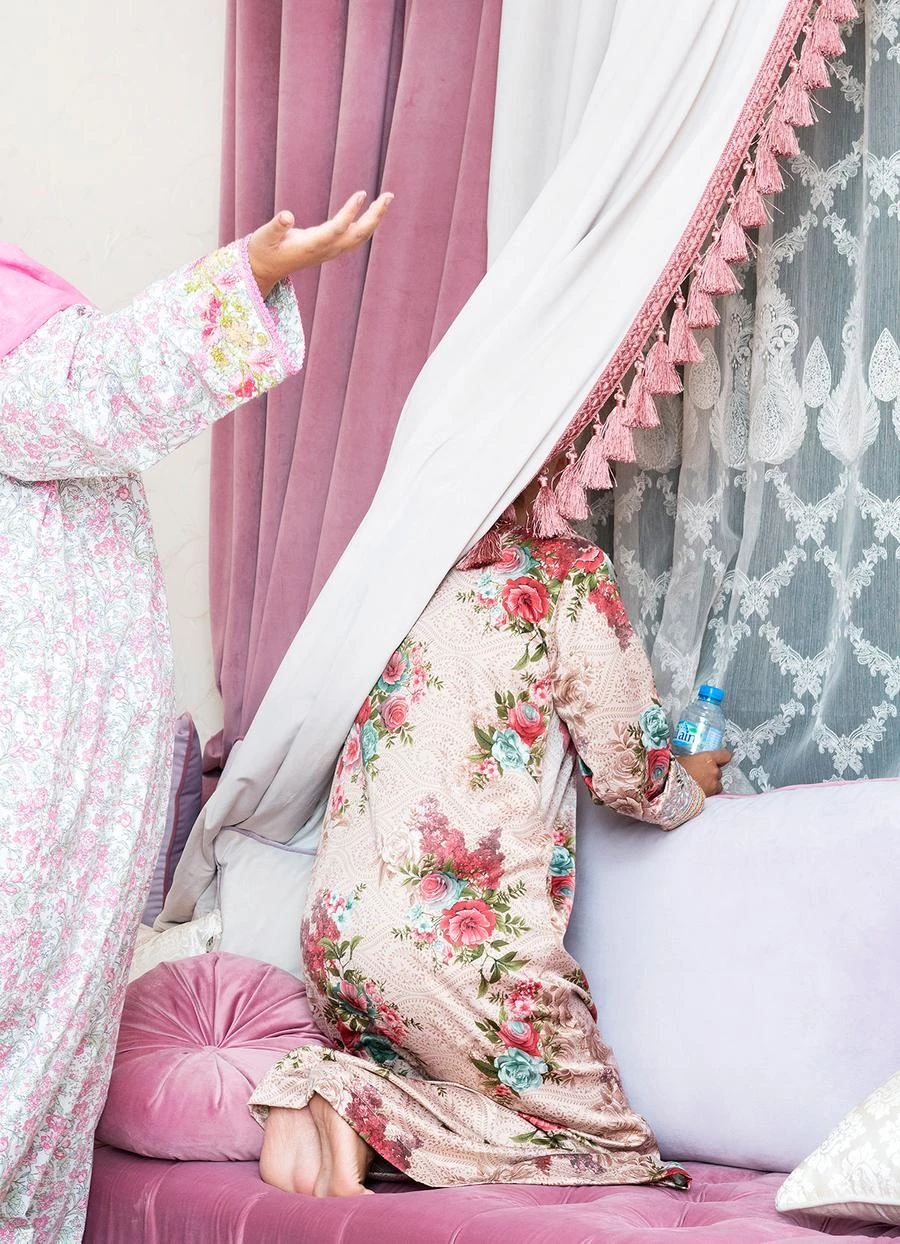
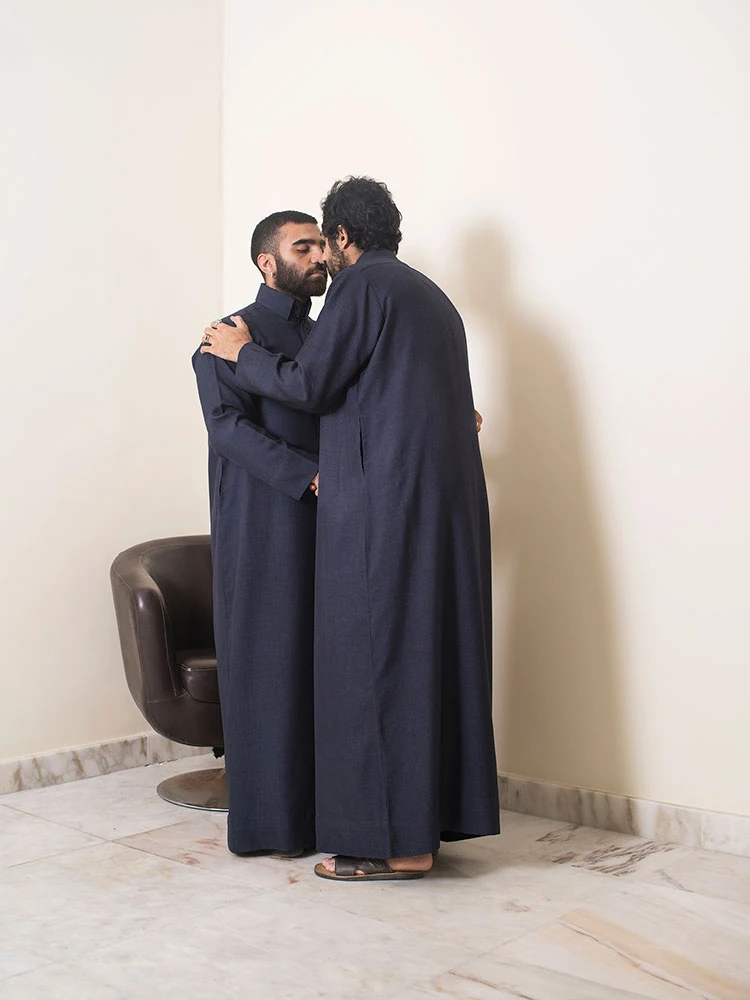
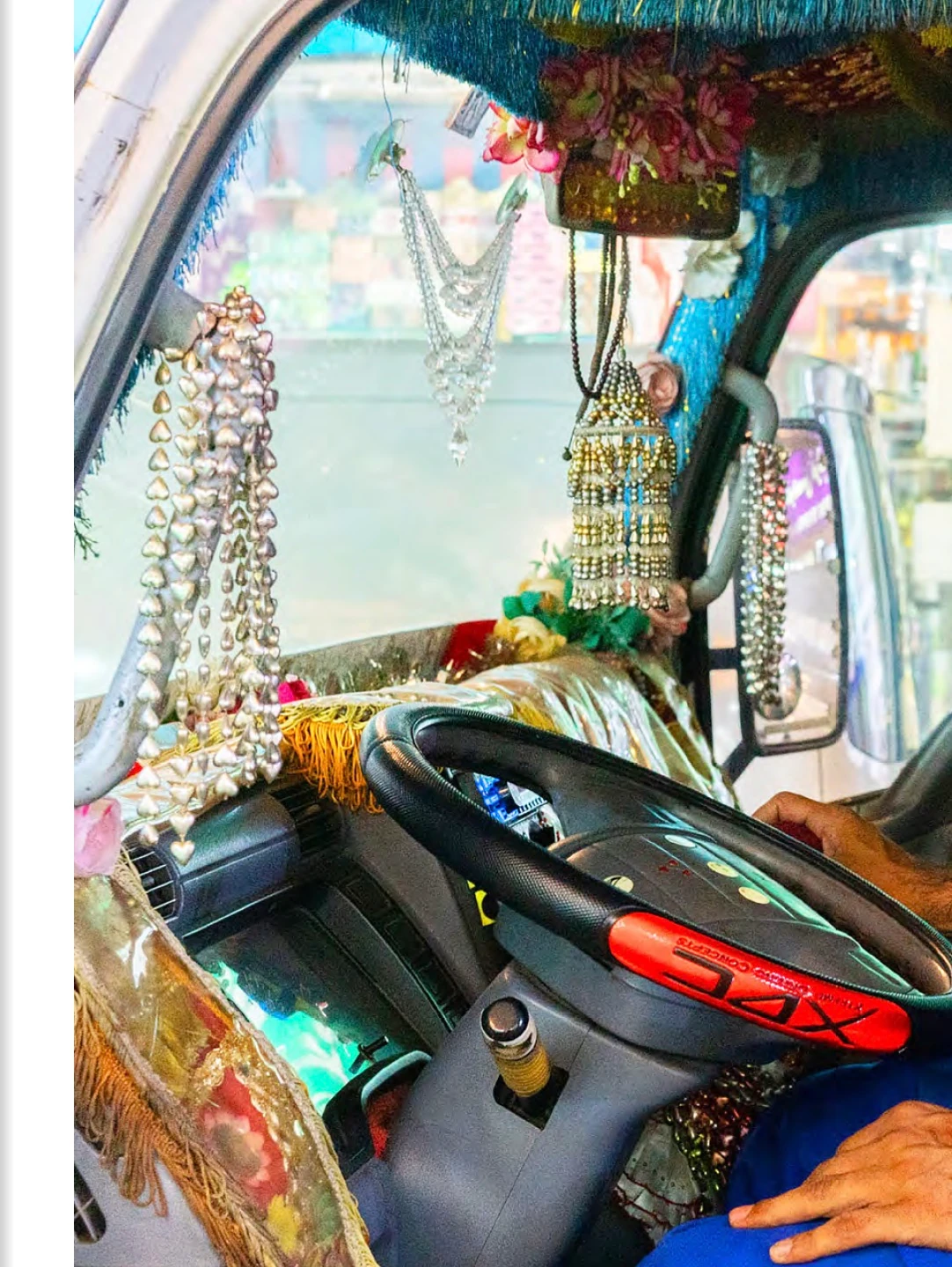
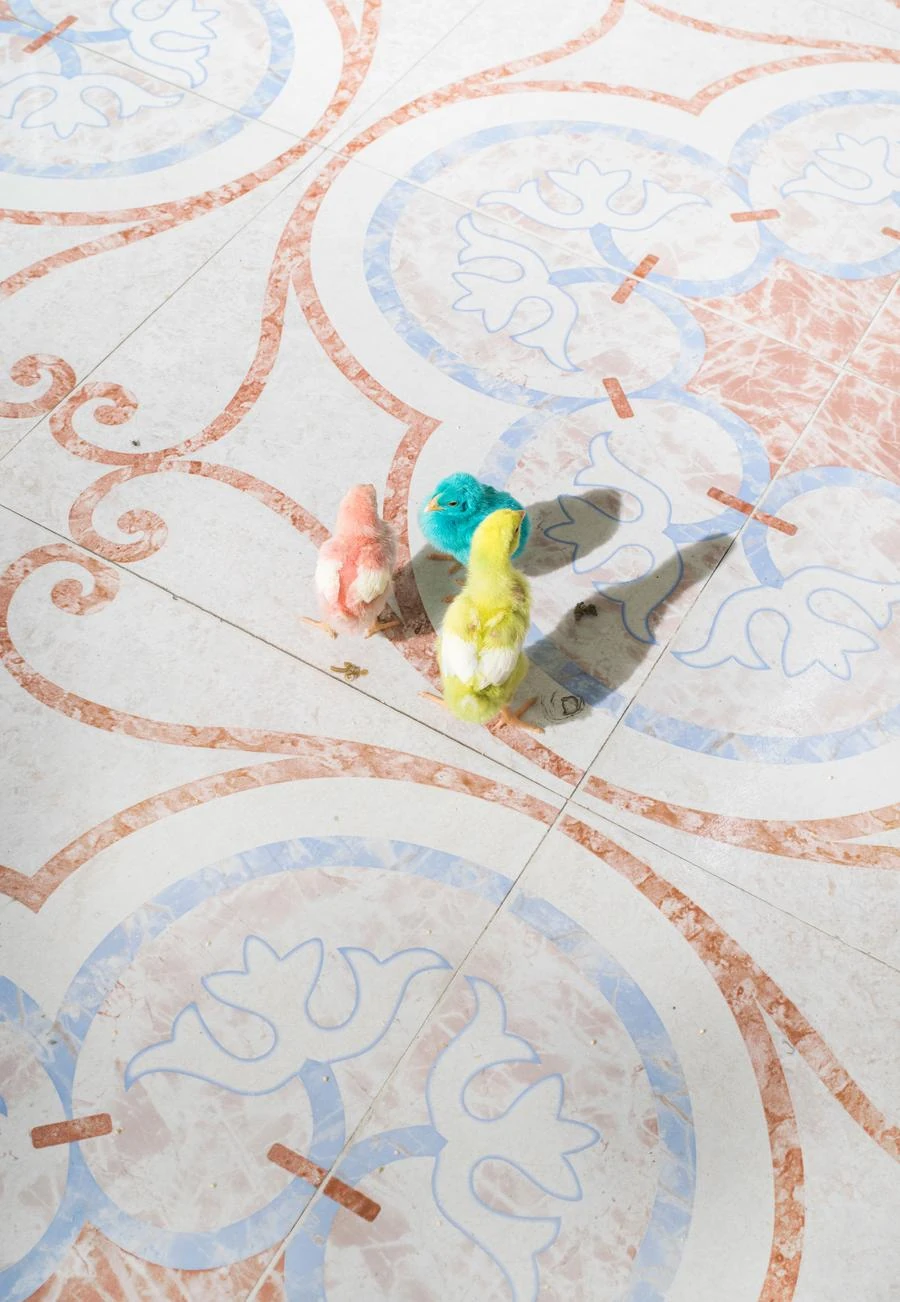
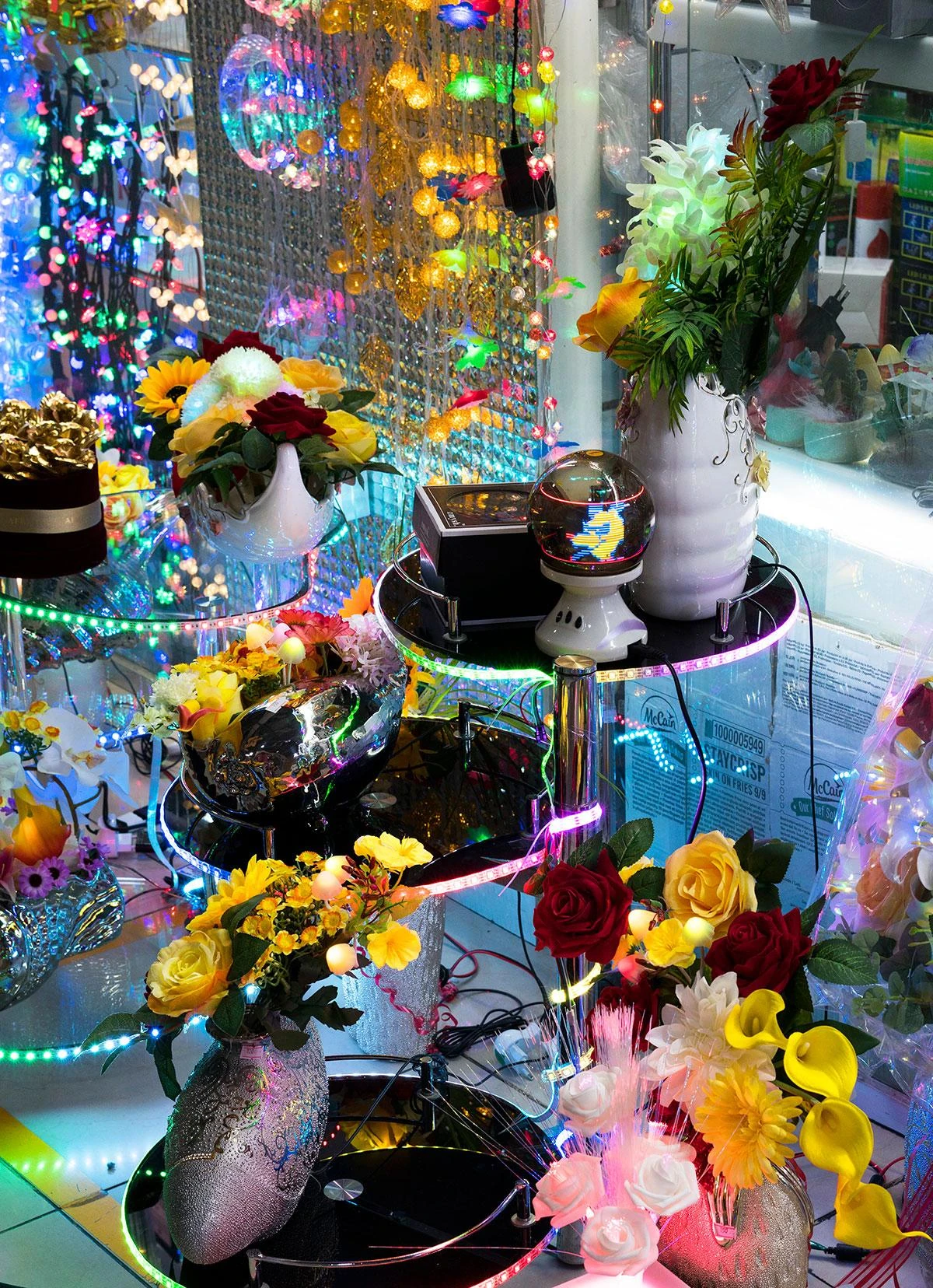
Images by Farah Al Qasimi
1 Robin Jones, C. (2017, May 31). Who runs the (art) world in the Gulf? Girls. Dazed Digital Link
Find out more about Ángel Luis González Fernández and Farah Al Qasimi's practices at:
bohoe.com
farahalqasimi.com


